Annette M. La Greca
Annette M. La Greca, Ph.D., ABPP 
Purdue University, 1978
Cooper Fellow
Professor of Psychology and Pediatrics
Director of Clinical Training
Editor, Journal of Consulting and Clinical Psychology
- Research Interests
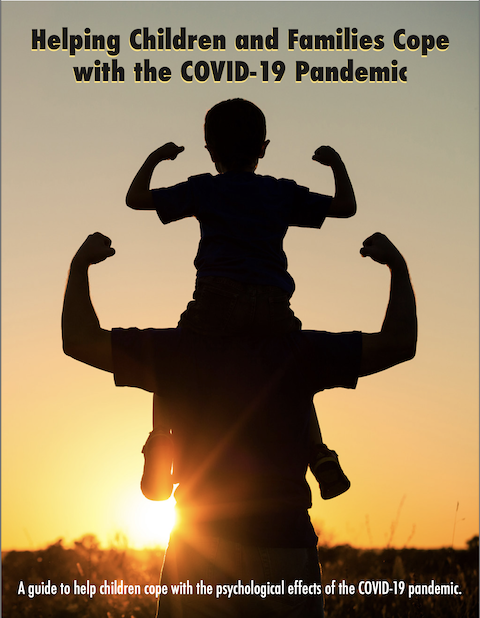
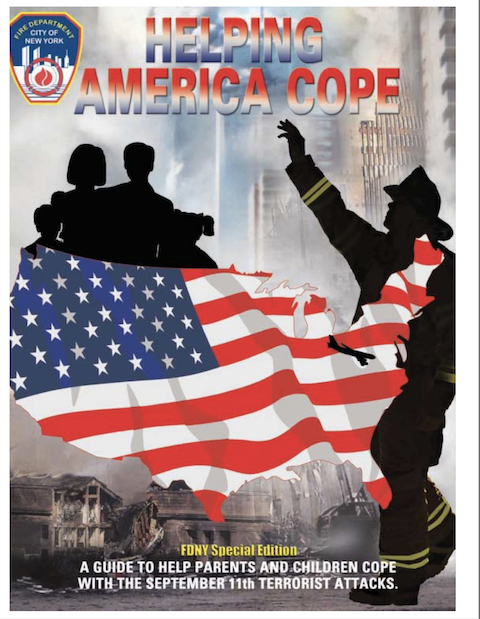
- Children's and adolescents' peer relations, friendships, and romantic relationships, as they pertain to psychological and physical health; children's reactions to trauma, including natural disasters (hurricanes) and peer victimization; social anxiety in children and adolescents; family and peer issues in the management of type 1 diabetes in youth; preventive interventions. Please visit the FACEBOOK pages for the University of Miami PEERS Project and the Hurricane Ike Project. Also visit the project pages for Keeping Children Safe. Also available for download, Helping America Cope
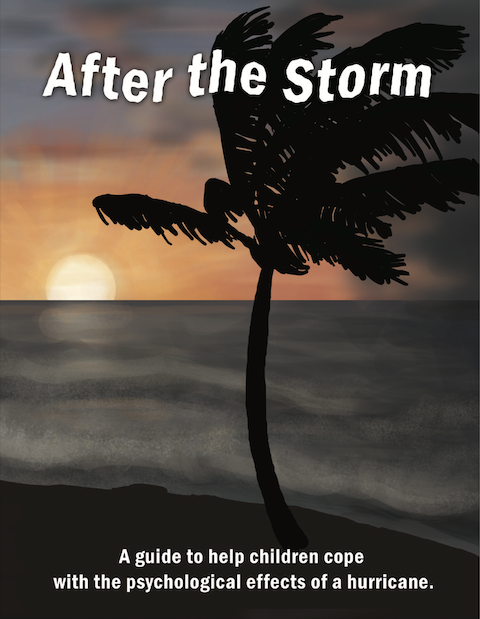
and After the Storm
. For additional manuals go to www.7-dippity.com.
- Current Research
- Curriculum Vitae
- Martin P. Levin Award: Reflections on the Mentoring Process
- Editorial: Assessment as a Process in Pediatric Psychology
- Available Self-Report Measures and Key Publications
- Recent Conference Presentations
- Teaching

La Greca Lab Members (left to right): Lisa Bailey, Ryan Landoll, Rebecca Siegel, Olivia Hsin, Courtney Moine and Betty Lai.
Current Research
In general, my research interests have always cut across the areas of "mental health" and "physical health". Specifically, I continue to investigate issues pertinent to child and adolescent mental health - including the effects of trauma (especially natural disasters) on children and youth, and the role of peer relations in child and adolescent adjustment and psychopathology. In the child health area, my work continues to focus on youth with chronic disease (e.g., diabetes) and on the various ways that peers (and now, romantic partners) in fluence youngsters' health behaviors. Representative, recent publications in all these areas can be viewed below.
Children's and Adolescents' Peer Relations
- Healthy Adolescent Projects and PEERS Project
- Children with problematic peer relations are at high risk for developing maladaptive outcomes as adolescents or adults (e.g., dropping out of school, emotional disorders). Specifically, we have recently examined social factors that predict anxiety, depression, and health risk behaviors among adolescents.
- One major line of research is aimed at under standing more precisely how peer relations lead to adolescent maladjustment. Of particular interest is the role that supportive peer relationships and friendships play in moderating the impact of peer victimization, a key interpersonal stressor. Recent work is focusing on adolescent peer victimization (including cyber-victimization) and associated health and mental health reactions that evolve over time. The deveopment of a preventative intervention for peer victimized adolescents, especially girls is underway.
- Representative publications include:
La Greca, A. M., Prinstein, M. J., & Fetter, M. (2001). Adolescent peer crowd affiliation: Linkages with health-risk behaviors and close friendships. Journal of Pediatric Psychology, 26, 131-143.
Prinstein, M. J. & La Greca, A. M. (2002). Peer crowd affiliation and internalizing distress in adolescence: A longitudinal follow-back study. Journal of Research on Adolescence, 12, 325-351.
Prinstein, M. J. & La Greca, A. M. (2004). Childhood rejection, aggression, and depression as predictors of adolescent girls' externalizing and health risk behaviors: A six-year longitudinal study. Journal of Consulting and Clinical Psychology, 72, 103-112.
Kuttler, A. F. & La Greca, A. M. (2004). Linkages among adolescent girls romantic relationships, best friendships, and peer networks Journal of Adolescence, 27, 395-414.
La Greca, A.M., & Harrison, H. W. (2005). Adolescent peer relations, Friendships and romantic relationships: Do they predict social anxiety and depression? Journal of Clinical Child and Adolescent Psychology, 34, 49-61.
Mackey, E.R., & La Greca, A.M. (2007). Adolescents' eating, exercise, and weight control behaviors: Does peer crowd affiliation play a role? Journal of Pediatric Psychology, 32, 13-23.
La Greca, A.M., & Mackey, E.R. (2007). Adolescents' anxiety in dating situations: Do friends and romantic partners contribute? Journal of Clinical Child and Adolescent Psychology, 36, 522-533.
Prinstein, M.J., & La Greca, A.M. (2009). Childhood depressive symptoms and adolescent cigarette use: A six-year longitudinal study controlling for peer relations correlates. Health Psychology, 28, 283-291.
Siegel, R., La Greca, A.M., & Harrison, H.M. (2009). Peer victimization and social anxiety in adolescents: Prospective and reciprocal relationships. Journal of Youth and Adolescence, 38, 1096-1109.
La Greca, A.M. & Landoll, R.R. (in press). Peer influences in the development and maintenance of anxiety disorders. In W. K. Silverman & A. Field (Eds.), Anxiety disorders in children and adolescents: Research, assessment, and intervention (2nd Ed.). London: Cambridge University Press.
La Greca, A.M., Davila, J., Landoll, R. R., & Siegel, R. (in press). Dating, romantic relationships and social anxiety in young people. In C.A. Alfano and D.C. Beidel (Eds.), Social anxiety disorder in adolescents and young adults: Translating developmental research into practice. Washington, DC: American Psychological Association.
- Social Anxiety in Children and Adolescents/Dating Anxiety
-
Social anxiety may contribute to problems in youngsters' peer relations, which are critical for normal social and emotional development. Children who experience interpersonal difficulties with peers during the elementary school years are at substantial risk for concurrent and later emotional problems. Despite the importance of children's peer relations, we know little about the mechanisms that link poor peer relations with later maladjustment. In this regard, social anxiety is a promising avenue of investigation.
The Social Anxiety Scales were developed to assess children's and adolescents' feeling of social anxiety in the context of their peer relations. The Social Anxiety Scales include the Social Anxiety Scale for Children - Revised (SASC-R; La Greca & Stone, 1993), and the Social Anxiety Scale - Adolescents (SAS-A; La Greca & Lopez, 1998).
Ongoing work in this area is examining the utility of parent reports of their children's social anxiety, and investigating the clinical and practical utility of assessing social anxiety among children and adolescents with clinically significant anxiety disorders.
More recently, we have extended this work to examine adolescents' reports of dating anxiety (e.g., Glickman & La Greca, 2004). A link to of the Dating Anxiety Scale for Adolescents appears below.
An extensive manual (La Greca, 1999) that describes work on the Social Anxiety Scales, and includes copies of the scales may be obtained from the author at a cost of $15.00, to cover printing and mailing. Please contact my administrative assistant, Liz Reyes, for further details (ereyes@miami.edu).
- Representative publications include:
-
La Greca, A. M. (1997). Children's friendships and peer relations. In Session, 3, 21-41.
La Greca, A. M. (1999). Manual for the Social Anxiety Scales for Children and Adolescents. Author: Miami, FL. (See above for instructions on ordering.)
Ginsburg, G., La Greca, A. M., & Silverman, W.S. (1998). Social anxiety in children with anxiety disorders: Relations with social and emotional functioning. Journal of Abnormal Child Psychology, 26, 189-199.
La Greca, A. M., & Lopez, N. (1998). Social anxiety among adolescents: Linkages with peer relations and friendships. Journal of Abnormal Child Psychology, 26, 83-94.
Glickman, A.R., & La Greca, A.M. (2004). The Dating Anxiety Scale for Adolescents: Scale Development and Associations with Adolescent Functioning. Journal of Clinical Child and Adolescent Psychology, 33, 566-578.
La Greca, A.M., & Mackey, E.R. (2007). Adolescents' anxiety in dating situations: Do friends and romantic partners contribute? Journal of Clinical Child and Adolescent Psychology, 36, 522-533.
Zhou, X., Xu, Q., Inglés, C. J., Hidalgo, M.D., & La Greca, A.M. (2008). Reliability and validity of the Chinese translation of the Social Anxiety Scale for Adolescents. Child Psychiatry and Human Development, 39, 185-200.
Ingles, C.J., La Greca, A.M., Marzo, J.C., Garcia-Lopez, L.J., & Garcia-Fernandez, J.M. (2010). Social Anxiety Scale for Adolescents: Factorial invariance and latent mean differences across gender and age in Spanish adolescents. Journal of Anxiety Disorders. DOI:10.1016/j.janxdis.2010.06.007
-
Symptoms of post-traumatic stress disorder are common sequelae of catastrophic disasters. In August 1992, South Florida was affected by Hurricane Andrew, one of the worst natural disasters in US history, and until Hurricane Katrina. In the wake of this disaster, we conducted a series of prospective studies of children's reactions and factors that predict children's lingering distress (e.g., La Greca, Silverman, Vernberg, & Prinstein, 1996; Vernberg, La Greca, Silverman, & Prinstein, 1996). More recently, I edited a book on Helping Children Cope with Disasters and Terrorism (2002) published by the American Psychological Association.
Several manuals have been developed following from this project, and are available free of charge on my faculty website (links are above) and also from www.7-dippity.com. Helping Children Cope focuses on school-based activities to help children cope following disasters (La Greca, Silverman, Vernberg, Prinstein, & Vogel 1994). This manual has been broadly disseminated, both nationally and internationally, including a translation into Japanese. Following the 2004 Hurricanes in Florida, I developed After the Storm: A guide to help children cope with the aftermath of hurricanes.
I am currently following children who were affected by Hurricane Charley, a 2004 Category 4 Hurricane, on Florida's west coast, and also children affected by Hurricane Ike (2008) in Galveston, TX. (See the Facebook Page for the Hurricane Ike Project.
- Representative publications include:
-
La Greca, A. M., Silverman, W. S., Vernberg, E. M., & Prinstein, M. J. (1996). Posttraumatic stress symptoms in children after Hurricane Andrew: A prospective study. Journal of Consulting and Clinical Psychology, 64, 712-723.
Vernberg, E. M., La Greca, A. M., Silverman, W. S., & Prinstein, M. J. (1996). Prediction of posttraumatic stress symptoms in children after Hurricane Andrew. Journal of Abnormal Psychology, 105, 237-248.
Prinstein, M. J., La Greca, A. M., Vernberg, E. M., & Silverman, W. K. (1996). Children's coping assistance after a natural disaster. Journal of Clinical Child Psychology, 25, 463-475.
La Greca, A. M., Silverman, W. K., & Wasserstein, S.B. (1998). Children's predisaster functioning as a predictor of posttraumatic stress following Hurricane Andrew. Journal of Consulting and Clinical Psychology, 66, 883-892.
La Greca, A.M., Silverman, W. K., Vernberg, E.M., & Roberts, M.C. (2002). (Eds.) (2002). Helping children cope with disasters. Washington, DC: American Psychological Association.
La Greca, A.M., & Prinstein, M.J. (2002). Hurricanes and tornadoes. In A. M. La Greca, W.K. Silverman, E. M. Vernberg, & M.C. Roberts, M.C. (Eds.), Helping children cope with disasters and terrorism. Washington, DC: American Psychological Association.
La Greca, A.M. (2006). School populations. In F. Norris, S. Galesto, D. Reissman, & P. Watson (Eds.), Research methods for studying mental health after disasters and terrorism: Community and public health approaches. New York: Guilford Press.
La Greca, A. M. (2009). Interventions for posttraumatic stress in children and adolescents following natural disasters and acts of terrorism. In R. Steele, D. Elkin, & M. C. Roberts, Handbook of evidence based therapies for children and adolescents: Bridging science and practice. New York: Springer Publishers.
La Greca, A.M. (2007). Understanding the psychological impact of terrorism on youth: Moving beyond posttraumatic stress disorder. Clinical Psychology: Science and Practice, 14, 219-223.
La Greca, A.M., & Silverman, W.S. (2009). Treatment and prevention of posttraumatic stress reactions in children and adolescents exposed to disasters and terrorism: What is the evidence? Child Development Perspectives, 3, 4 – 10.
Yelland, C., Robinson, P., La Greca, A.M., Lock, C., Kokegei, B, Ridgway, V. & Lai, B. (2010). Bushfire impact on youth. Journal of Traumatic Stress, 23, 274-277. DOI: 10.1002/jts.20521
La Greca, A.M., Silverman, W.K., Lai, B., & Jaccard, J. (2010). Hurricane-related exposure experiences and stressors, other life events, and social support: Concurrent and prospective impact on children's persistent posttraumatic stress symptoms. Journal of Consulting and Clinical Psychology, 78.
Rowe, C.L., La Greca, A.M., & Alexandersson, A. (2010). Family and individual factors associated with substance involvement and PTS symptoms among adolescents in Greater New Orleans after Hurricane Katrina. Journal of Consulting and Clinical Psychology, 78.
Bonanno, G., Brewin, C., Kaniasty, K., & La Greca, A.M. (in press). Disaster: Nature's experiment in collective adjustment. Psychological Science in the Public Interest.
-
My recent work in the child health area focuses on aspects of stress and coping among children and adolescents with diabetes, and on peer relation variables that predict adolescent health behaviors.
In diabetes, I have focused on the supportive, protective factors that contribute to successful coping and disease management among youngsters with diabetes. I am especially interested in a multicultural perspective on disease management, as the family's cultural background appears to be a critical factor in how diabetes is viewed and managed. In addition, I am interested in developing behavioral/family interventions for promoting better self-care behaviors in children and adolescents affected by this chronic disease.
In the area of adolescent health behaviors, I am interested in how peers, close friends, and romantic partners contribute to adolescents' health-risk behaviors, such as drinking, smoking, and poor dietary habits, as well as to their positive health-enhancing behaviors.
- Representative publications include:
-
La Greca, A. M., Auslander, W.F., Greco, P., Spetter, D., Fisher, E.B., Jr., & Santiago, J. V. (1995). I get by with a little help from my family and friends: Adolescents' support for diabetes care. Journal of Pediatric Psychology, 20, 449-476.
Davis, C. L., Delamater, A. M., Shaw, K. H., La Greca, A. M., Eidson, M., Perez-Rodriguez, J., & Nemery, R. (2001). Brief report: Parenting styles, regimen adherence, and glycemic control in 4- to 10-year-old children with diabetes. Journal of Pediatric Psychology, 26, 123-129.
La Greca, A. M., Prinstein, M. J., & Fetter, M. (2001). Adolescent peer crowd affiliation: Linkages with health-risk behaviors and close friendships. Journal of Pediatric Psychology, 26, 131-143.
La Greca, A. M., Bearman, K. J., Delamater, A., Patino, A.M., Blumberg, M., Marks, J., Johnson, S.J., Shatz, D., & Anderson, B. (2001). Early life stress and disease among offspring and siblings of individuals with type 1 diabetes. Journal of Pediatric Endocrinology and Metabolism, 14, Supplement 2, 1 - 8.
Bearman, K. J., & La Greca, A.M. (2002). Assessing friend support for diabetes care: The Diabetes Social Support Questionnaire - Friend Version. Journal of Pediatric Psychology, 27, 417-428.
La Greca, A.M., & Bearman, K.J. (2002). The Diabetes Social Support Questionnaire - Family Version: Evaluating adolescents' diabetes-specific support from family members. Journal of Pediatric Psychology, 27, 665-676.
Weinger, K., Butler, H.A., Welch, G.W., & La Greca, A.M. (2005). Measuring diabetes self-care: A psychometric analysis of the Self-Care Inventory with adults. Diabetes Care, 28, 1346-1352.
Mackey, E.R., & La Greca, A.M. (2007). Adolescents' eating, exercise, and weight control behaviors: Does peer crowd affiliation play a role? Journal of Pediatric Psychology, 31, 13-23.
Lewin, A.B., La Greca, A.M., Geffken, G.R., Williams, L.B., Duke, D.C., Storch, E.A., & Silverstein, J.H. (2009). Validity and reliability of an adolescent and parent rating scale of type 1 diabetes adherence behaviors: The Self Care Inventory (SCI). Journal of Pediatric Psychology, 34, 999-1007.
Valenzuela, J.M., Castro Fernandez, M., Hsin, O., Harris, M.A., Taylor, C., La Greca, A.M., & Delamater, A.M. (2010). Psychometric findings for a Spanish translation of the Diabetes Self-Management Profile (DSMP-Parent-Sp). Diabetes Care, 33, 3 – 8. DOI: 10.2337/dc09-0845
Hsin, O., La Greca, A.M., Valenzuela, J., Delamater, A., & Moine, C. (2010). Adherence and glycemic control among Hispanic youth with type 1 diabetes: Role of family involvement and acculturation. Journal of Pediatric Psychology, 35, 156-166. DOI: 10.1093/jpepsy/jsp045.
Children and Disasters
Child and Adolescent Health
Available Self-Report Measures and Key Publications
- Dating Anxiety
- Diabetes Social Support
- Disaster Related Materials
- Friends and Romantic Relationships
- Peer Crowds
- Self-Care Inventory
- Social Anxiety Scales
Dating Anxiety
The Dating Anxiety Scale for Adolescents (DAS-A; Glickman & La Greca, 2004) assesses adolescents' anxiety in heterosocial and dating situations. For more information on this measure, consult the following articles:
- Adolescents' Anxiety in Dating Situations: The Role of Other-Sex Friends, Close Friends, and Romantic Partners. (La Greca & Mackey, 2007).
- The Dating Anxiety Scale for Adolescents: Scale Development and Associations with Adolescent Functioning. (Glickman & La Greca 2004).
Diabetes Social Support
The Diabetes Social Support Questionnaire (DSSQ) is a self-report measure with two parallel versions. The DSSQ-Friends is a measure of friend's support for diabetes care. The DSSQ-Family is a measure of family support for diabetes care. For more information on this measure, consult Bearman & La Greca, 2002.
Disaster Related Material
For more information on disaster related materials, please consult the selected list of guides, book chapters and journal articles:
- After the Storm: A Guide to Help Children Cope with the Psychological Effects of a Hurricane (La Greca, Sevin & Sevin, 2005)*updated for the 2005 Hurricane Season, including Hurricanes Katrina and Rita
- School Based Studies of Children Following Disasters (book chapter)
- Symptoms of Posttraumatic Stress in Children After Hurricane Andrew; A Prospective Study. (La Greca, Silverman, Vernberg, & Prinstein, 1996).
- Prediction of Posttraumatic Stress Symptoms in Child After Hurricane Andrew. (Vernberg, Silverman, La Greca, & Prinstein, 1996).
- Children's Predisaster Functioning as a Predictor of Posttraumatic Stress Following Hurricane Andrew. (La Greca, Silverman & Wasserstein, 1998).
Friends and Romantic Relationships
- Linkages Among Adolescent Girls' Romantic Relationships, Best Friendships, and Peer Networks. (Kuttler & La Greca, 2004).
- Adolescent Peer Relations, Friendships, and Romantic Relationships: Do They Predict Social Anxiety & Depression? (La Greca & Harrison, 2005).
- Peer Relations, Friendships and Romantic Relationships: Implications for the Development and Maintenance of Depression in Adolescents (book ch.)
Peer Crowds
The Peer Crowds Questionnaire (PCQ; La Greca, Prinstein & Fetter, 2001) was designed to assess the extent to which adolescents identify with a variety of common peer crowd affiliations. For more information regarding this questionnaire, please consult the following articles:- Adolescent Peer Crowd Affiliation: Linkages With Health-Risk Behaviors and Close Friendships. (La Greca, Prinstein & Fetter, 2001)
- Adolescents' Eating, Exercise, and Weight Control Behaviors: Does Peer Crowd Affiliation Play a Role? (Mackey & La Greca, 2007).
- Childhood Peer Rejection and Aggression as Predictors of Adolescent Girls' Externalizing and Health Risk Behaviors: A 6-Year Longitudinal Study (Prinstein & La Greca, 2004).
Self-Care Inventory
The Self-Care Inventory is a self-report measure designed to assess a patient's level of adherence to diabetes self-care recommendations over the previous 1 - 2 months. The SCI Manual can be downloaded here. A revised copy of the Self-Care Inventory (SCI-R) can be downloaded here. For information on the psychometric analyses of the SCI-R, please consult this article: Measuring Diabetes Self-Care.
*PLEASE NOTE: The SCI and SCI-R are COPYRIGHTED materials. They are copyrighted by Annette M. La Greca, and may be used only with the written permission of the author. The author does not grant permission for publishing norms, alterations, or translations of the instrument without her written permission or collaboration in such efforts.
Social Anxiety Scales
The Social Anxiety Scale for Children-Revised (SASC-R) and the Social Anxiety Scale for Adolescents (SAS-A) are self-report measures designed to assess childrens and adolescents levels of social anxiety. The SASC-R is appropriate for children ages 7 13 years (elementary school) and the SAS-A is appropriate for adolescents (middle school and high school). Each measure has 22 items (including 4 filler items) that evaluates three aspects of social anxiety: Fear of Negative Evaluation from peers (FNE = 8 items), Social Avoidance and Distress around New Peers or in New Situations (SAD-New = 6 items), and Generalized Social Avoidance and Distress (SAD-General = 4 items). Items are rated on 5-point Likert scales and summed across relevant items to obtain scores for SAS total and each of the three subscales. Substantial data supports the reliability and validity of these instruments.
The SASC-R and SAS-A are COPYRIGHTED materials. They are copyrighted by Annette M. La Greca and may be used only with her written permission. The author does not grant permission for publishing norms, alterations, or translations of the instrument without her written permission or collaboration in such efforts. The Manual for the Social Anxiety Scales contains detailed psychometric and normative information, information on translations, and copies of the scales and their scoring.
If you are interested in using the Social Anxiety Scales, please contact my assistant, Liz Reyes at ereyes@miami.edu. In order to obtain the manual:
b) You must also send a check or money order for $15.00, payable to the Department of Psychology, along with your mailing address.
Please allow up to two weeks for processing. The manual is only available by mail.
- Social Anxiety Scale for Children Revised: Factor Structure and Concurrent Validity (La Greca & Stone, 1993)
- Social Anxiety Among Adolescents: Linkaeges with Peer Relations and Friendships (La Greca and Lopez, 1998)
- Social Anxiety in Children with Anxiety Disorders: Relation with Social and Emotional Functioning. (Ginsburg, La Greca, & Silverman, 1998).
- A Pilot Study on Normative Data for Two Social Anxiety Measures: The Social Phobia and Anxiety Inventory and the Social Anxiety Scale for Adolescents (Olivares, Garcia-Lopez Ruiz, Hidalgo, La Greca, Turner & Biedel, 2002)
Teaching
- Sample Syllabi
- PSY 440 Abnormal Child Psychology